I build products that earn their place.
B.Tech graduate in Computer Science and Engineering (AI). I build production-grade GenAI systems end-to-end: agentic RAG pipelines, LLM and SLM fine-tuning, and full-stack delivery with React and FastAPI, deployed on Azure Kubernetes.
I ground my engineering approach in the core triad of What, Why, and How. Whenever I experiment with or dissect an emerging AI architecture, my absolute priority isn't just to make it compile—it is to rigorously examine the mechanics running under the hood.
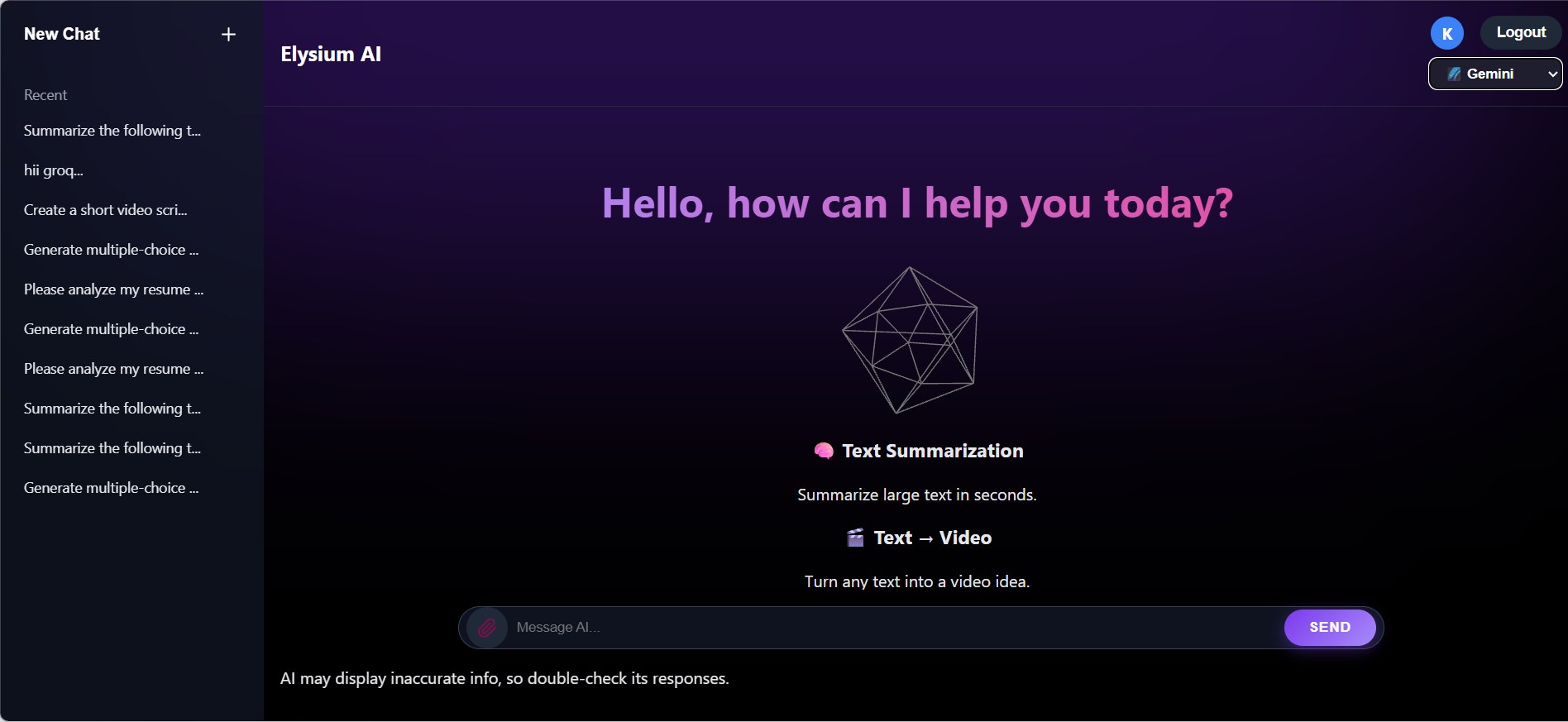
That fundamental curiosity is exactly what inspired me to build Elysium AI completely from the ground up. Rather than relying solely on high-level black-box wrappers, I engineered the causal self-attention mechanisms, tokenization matrices, and stacked transformer blocks by hand in pure PyTorch to understand the mathematical heartbeat of generation.
Production AI engineering demands strict accountability. From managing model alignment and mitigating hallucinations in edge SLMs to building optimized low-latency routing frameworks, my focus rests firmly on developing reliable, production-ready intelligent systems.
End-to-end engineering work—from architectural design to optimization and deployed inference pipelines. Click any card to open its demo, README and related LinkedIn posts.
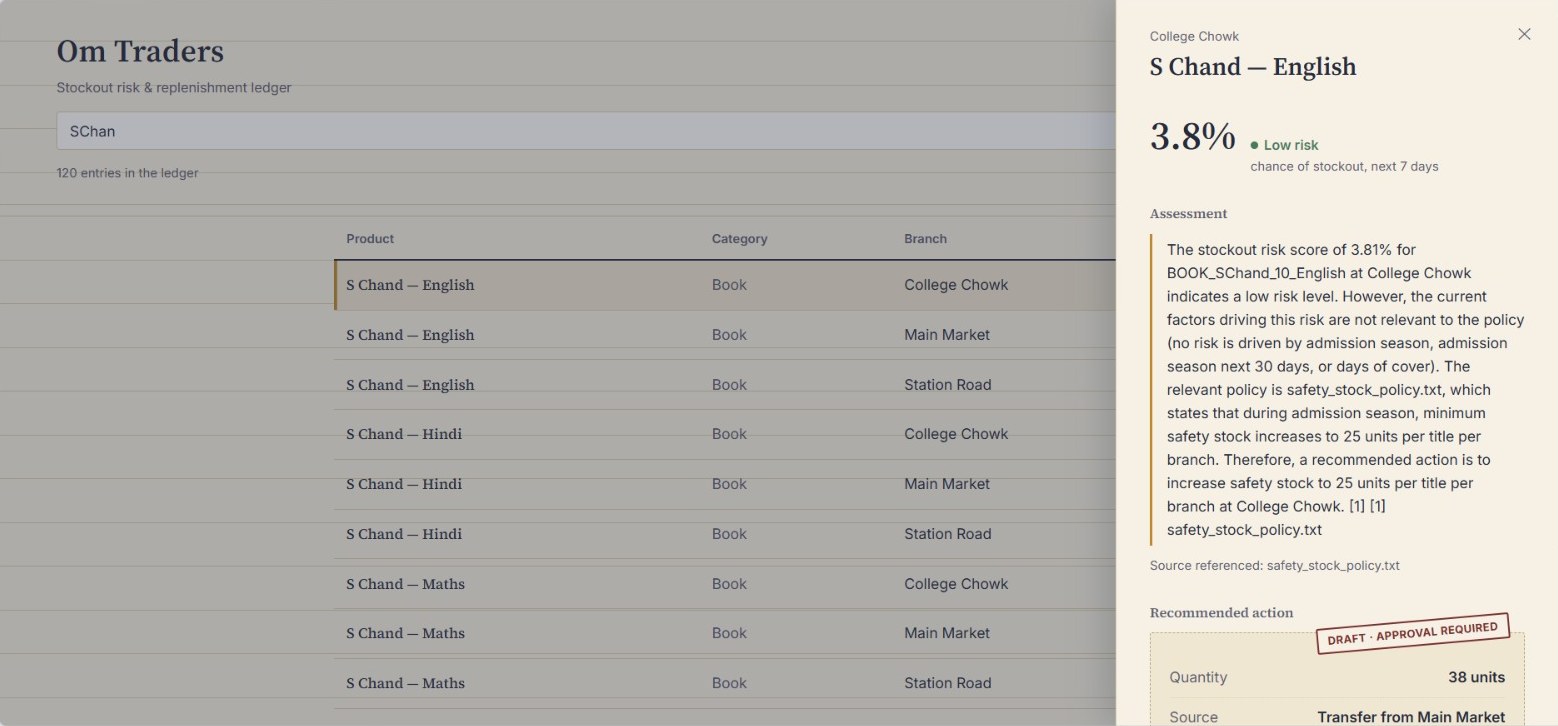
An AI copilot that predicts SKU-location stockout risk for the next 7–14 days with XGBoost, explains each risk in plain English with cited evidence from supplier contracts and policies (LLM + RAG), and drafts replenishment recommendations through MCP tools. Every action needs human approval: the system never places an order on its own.
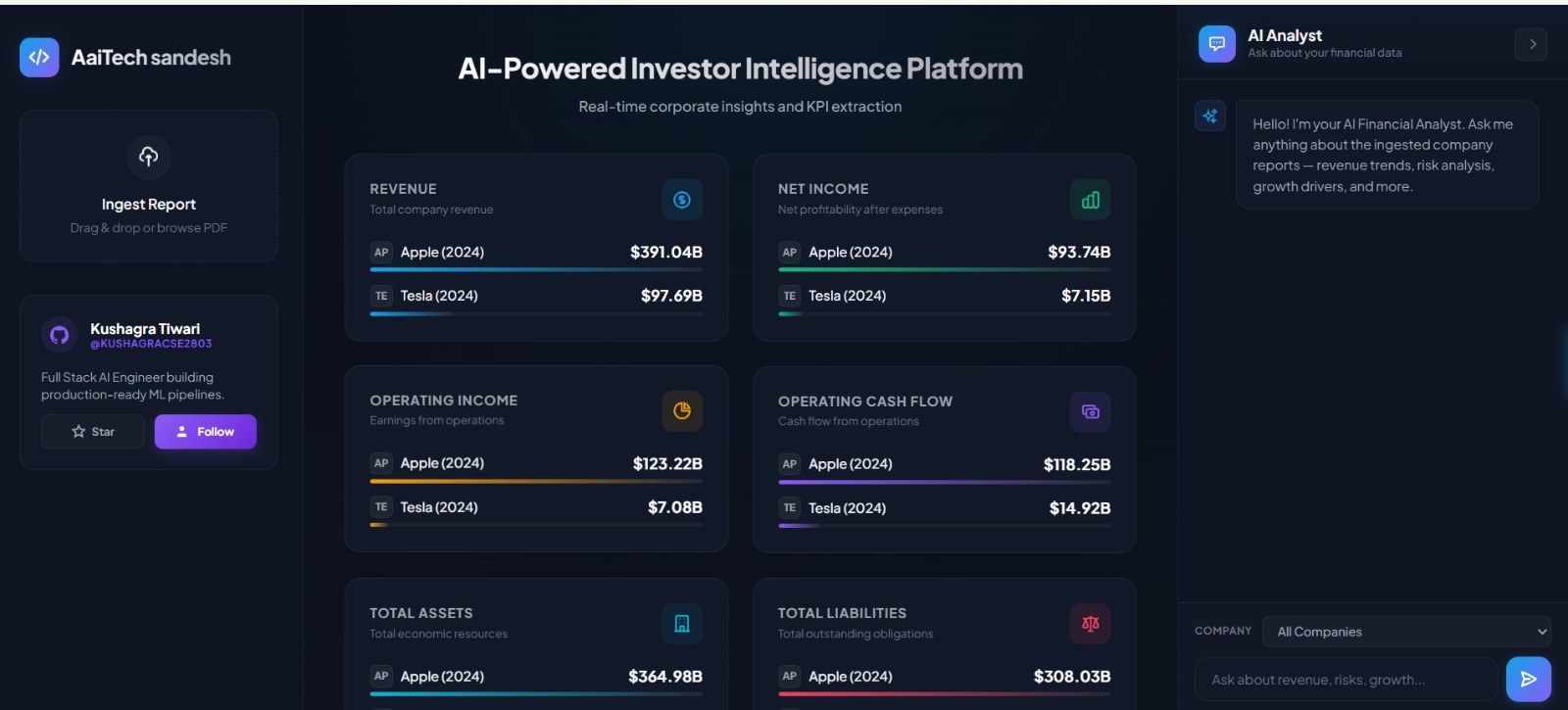
A backend platform that turns annual reports into investor insights. It ingests and chunks documents, runs semantic search, extracts KPIs with Azure OpenAI, indexes content in Azure AI Search, stores the KPIs in PostgreSQL, and serves a RAG-based chatbot and insights dashboard through FastAPI.
Architected a custom GPT-style LLM from scratch implementing custom tokenization, embeddings, causal self-attention, and stacked transformer blocks in PyTorch. Integrated an intelligent multi-LLM router that dynamically manages request streams between Groq, Gemini, and local Ollama nodes to optimize inference pipelines.
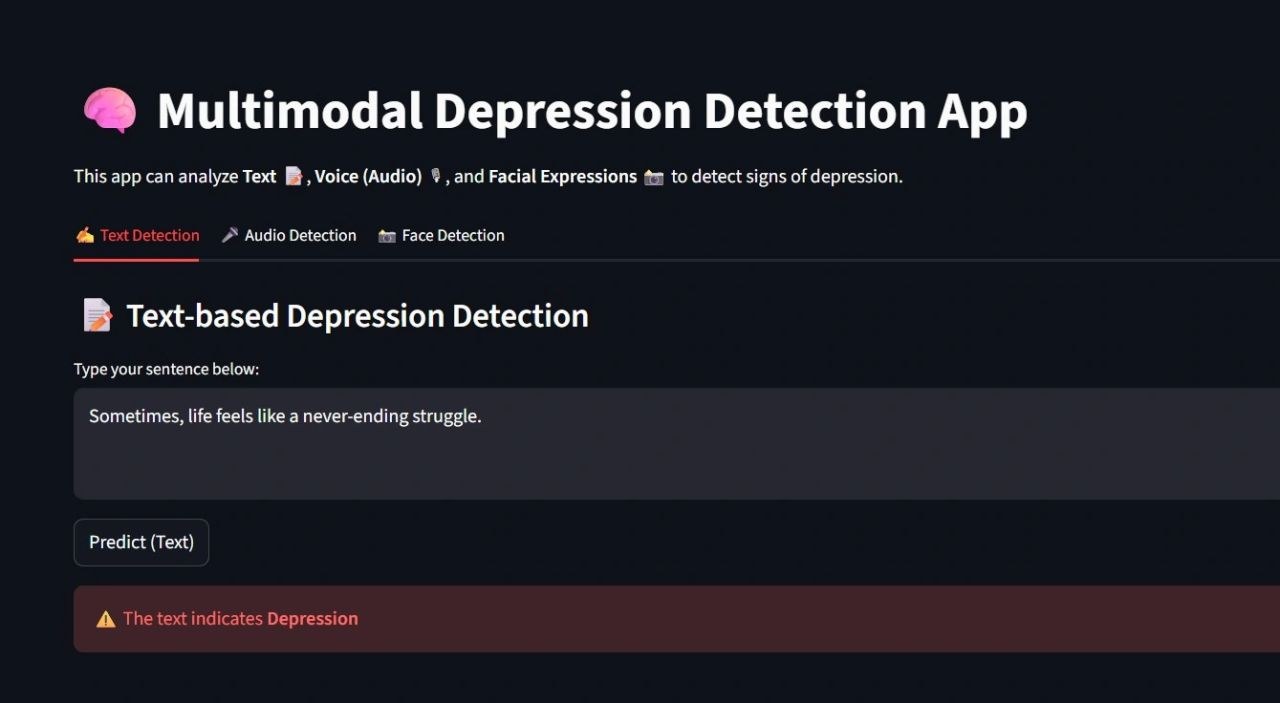
View Repo →A privacy-first screening tool that analyzes text, voice and facial expressions for early signs of depression. Text uses TF-IDF with Naive Bayes, voice uses Librosa MFCC features with a Random Forest, and the face uses OpenCV Haar Cascades with a CNN, all in a Streamlit app.
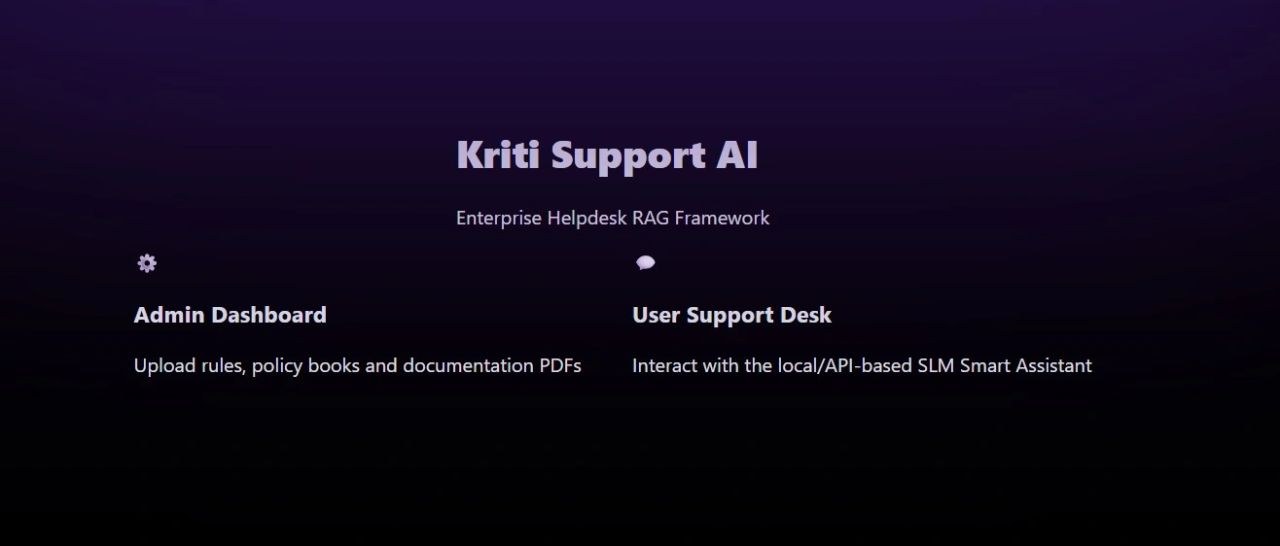
View Repo →Dual-dashboard enterprise RAG pipeline serving rulebook-bound custom service requests. Features isolated vector store mapping built purely via FAISS indexes and local TinyLlama nodes.
View Repo →Fine-tuned Microsoft's Phi-3.5-mini utilizing QLoRA matrices on specialized conversational datasets. Crafted structural prompt boundaries to guarantee ethical dialogue output via Streamlit.
View Repo →Robust RAG pipeline transforming technical PDFs into searchable structured knowledge. Optimized document chunking strategies alongside LangSmith production tracing to eliminate hallucinations.
View Repo →An AI-powered generator that turns text prompts into cinematic video and images. Text-to-video uses the Zeroscope model, generating short clips and stitching them into a longer video, and text-to-image uses Stable Diffusion models, with prompts, negative prompts and tunable inference steps, in Hugging Face Diffusers on Google Colab.
View Repo →Intelligent parser infrastructure built to extract textual nodes from PDFs, images, and raw documents, transforming them into accurate summaries across three custom sizes.
View Repo →A collection of what I've learned and shared, shelved by topic.
Open to Full Stack AI engineering roles building agentic RAG systems and cloud-native GenAI products. Move fast and build robust systems that matter.